Wandermarker logoWandermarker
Wandermarker logo

Wandermarker

Pick a city to explore curated maps and essential highlights.

Discover the Heart of Japan

From the neon-lit skyscrapers of Tokyo to the tranquil temples of Kyoto, Japan is a country of stunning contrasts. Our curated guides help you explore the vibrant culture, delicious cuisine, and breathtaking landscapes of this fascinating country. Whether you're planning a whirlwind tour of the major cities or a deep dive into a single region, Wandermarker is your companion for an unforgettable journey.

This interactive map is your gateway to discovering Japan's most iconic prefectures. Click on a region to explore our detailed guides, find top attractions, and uncover hidden gems. Start your adventure now and let Wandermarker lead the way.

Pick a prefecture on the map

Hover to reveal prefecture names and click to jump down to that Wandermarker spotlight. On phones, tap once to preview the prefecture, then tap again to open its highlights.

Loading map…
Tokyo

Tokyo

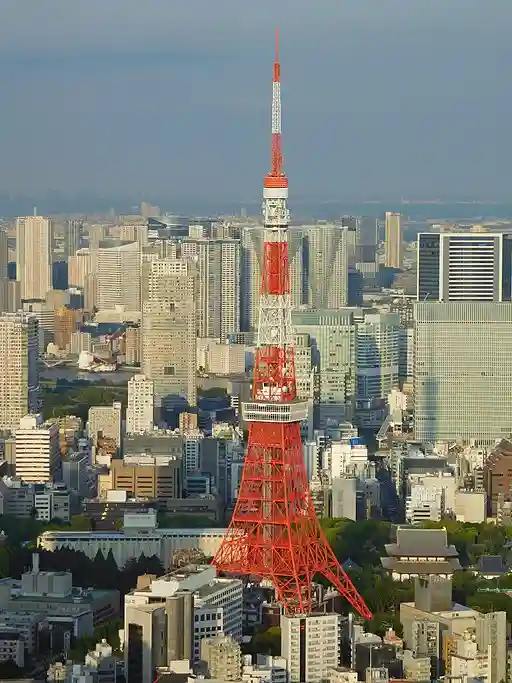
Tokyo works best when you stop treating it as one endless metropolis. The city is really a chain of temple districts, station hubs, museum parks, shopping streets, and bayfront projects tied together by rail. A strong Tokyo trip balances the headline views with smaller walks that show how people actually use the city.
Osaka

Osaka

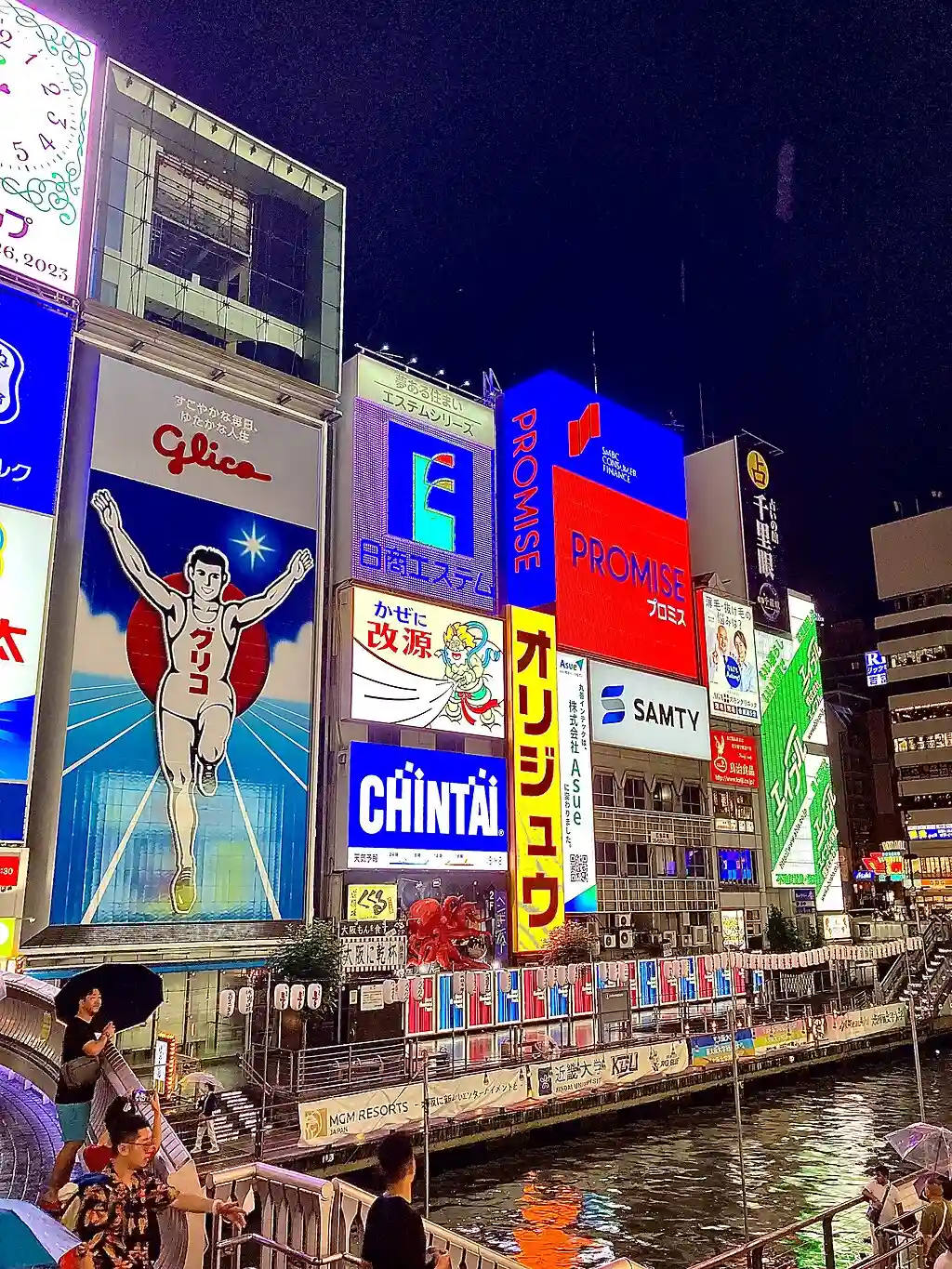
Osaka is easiest to understand as a city of appetite and momentum. Castle parks, old merchant lanes, neon canals, retro tower districts, and bayfront leisure projects all sit close enough together that a short trip can still feel full. The best days mix headline sights with time to eat slowly and wander between stations instead of treating every stop like a sprint.

Kyoto

Kyoto

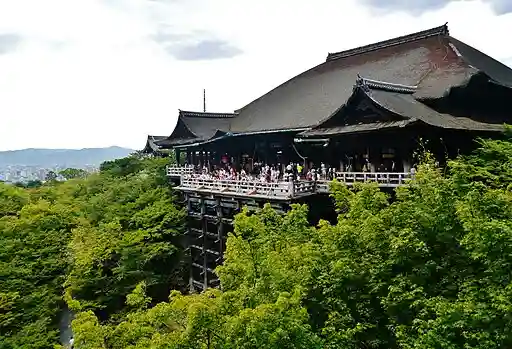
Kyoto works best when you stop treating it as one giant temple checklist. Eastern slopes, canal-side walks, downtown food streets, station-area monuments, and quieter western districts each move at a different pace, and the city becomes much richer once you let one major sight share the day with ordinary streets, meals, and time to walk.

Hiroshima (Miyajima & Setouchi)

Hiroshima (Miyajima & Setouchi)

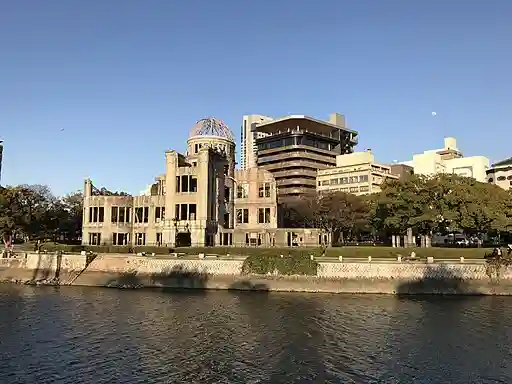
Hiroshima works best when you give equal weight to memory, water, and movement. The prefecture can hold a deeply serious morning at the Peace Memorial core, a ferry ride to Miyajima, an evening okonomiyaki counter in the city, and a completely different Setouchi day in Onomichi, Kure, or on the Shimanami Kaido.

Nara

Nara

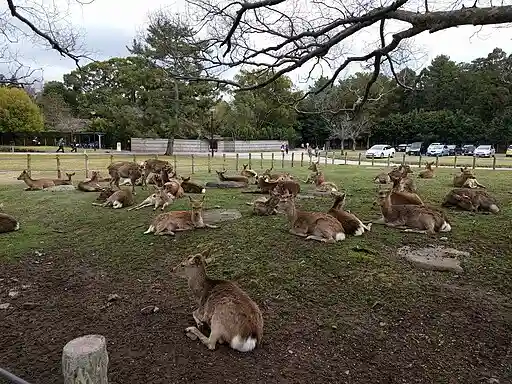
Nara rewards travelers who are willing to slow down. The famous deer and Great Buddha are only the front door; the fuller experience is temple forests, shrine lantern paths, museum rooms full of Buddhist sculpture, and west-side temple districts that deserve more than a rushed detour from Kyoto or Osaka.

Hyogo (Kobe, Himeji)

Hyogo (Kobe, Himeji)

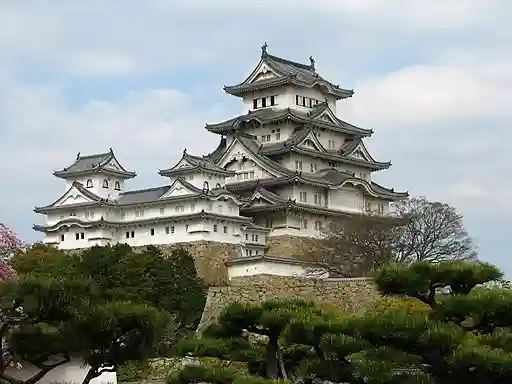
Hyogo only starts making sense once you stop pretending Kobe, Himeji, Arima, Awaji, and Takeda are one kind of trip. The prefecture swings from port-city nights to white-castle mornings, mountain onsen lanes, Ando architecture on Awaji, and highland ruins above the Tajima basin, so the best itineraries choose one corridor at a time.

Okayama (Kurashiki, Naoshima Gate)

Okayama (Kurashiki, Naoshima Gate)

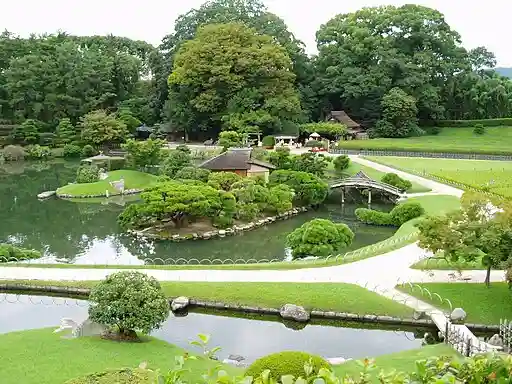
Okayama is quieter than the headline Kansai cities, and that is part of why it works. A good trip here moves between Korakuen and the black keep across the river, Kurashiki's canal-and-art district, Kibi shrine country, Kojima denim workshops, and Seto Inland Sea viewpoints without forcing the prefecture to perform like a rush-job checklist.

Yamaguchi (Shimonoseki & Setouchi Gate)

Yamaguchi (Shimonoseki & Setouchi Gate)

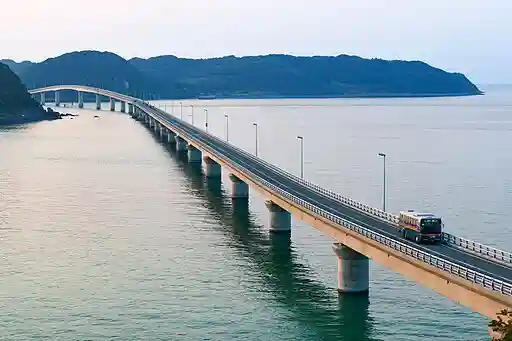
Yamaguchi makes more sense as a set of separate corridors than as one giant prefectural loop. The Akiyoshidai karst country, the old-capital calm around Yamaguchi City, the Kanmon waterfront in Shimonoseki, and the northwest coast around Tsunoshima and Motonosumi all produce very different days. The best trips here pick one line at a time and leave room for weather, driving, and wide-open scenery.

Tottori (Sand Dunes & Daisen)

Tottori (Sand Dunes & Daisen)

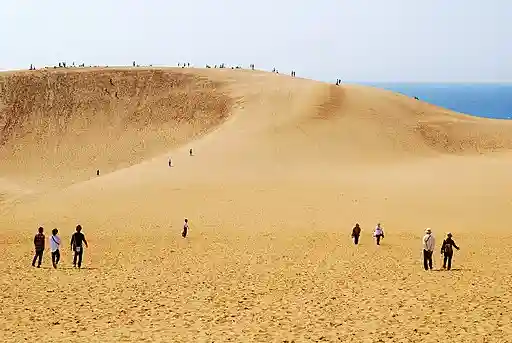
Tottori only looks sparse if you read it from the station map. In practice, the prefecture moves between dunes, rock coast, manga-town whimsy, radon onsen, and the sacred mountain world around Daisen and Mitoku. The strongest trips accept the longer distances, then let one coast day and one inland day breathe instead of forcing the whole prefecture into a novelty sprint.

Shimane (Matsue & Izumo)

Shimane (Matsue & Izumo)

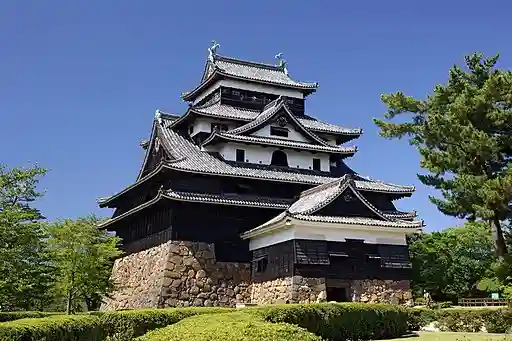
Shimane improves the moment you stop treating Matsue and Izumo as one quick checklist. This is a prefecture of castle moats, shrine mythology, careful gardens, old onsen towns, and far-off islands that demand real time. The best days here leave room for water, weather, sunset, and distance instead of trying to overpower them.

Map data © OpenStreetMap contributors